Four-test protocol

The four-step testing protocol.

Compression, leak-down, endoscope, oil analysis: four independent tests, every result signed, dated and archived against the engine's serial number. Non-conforming units are stripped for parts or recycled.

01

01 — Compression

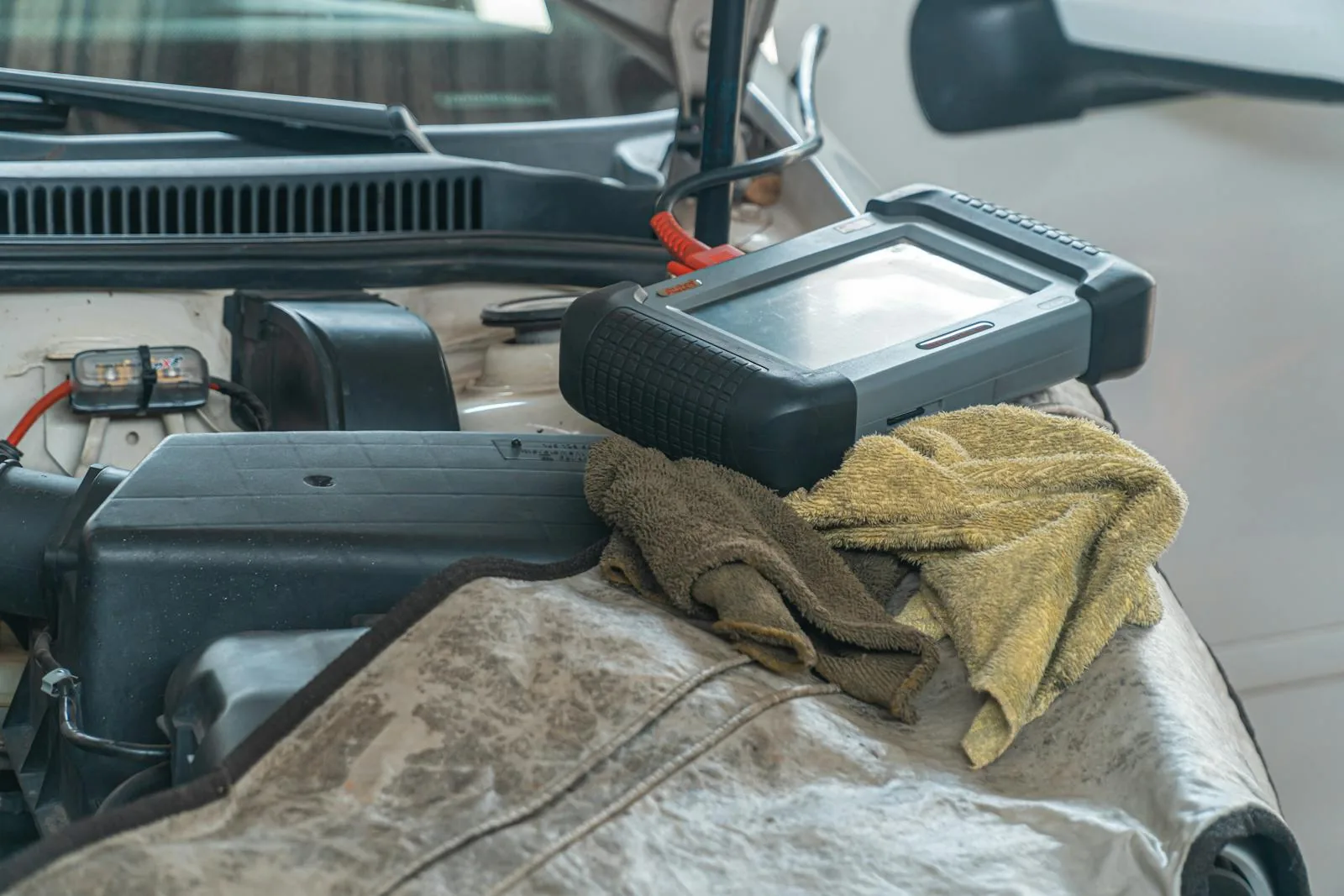
Compression measures the pressure each cylinder generates on its power stroke. We take readings cold and hot, every cylinder, and compare. Variance above 8% between cylinders points to wear — worn rings, leaking valves, a tired bore — that we refuse to pass on.

Standard
ISO 2710-2
Pass band
11.2–13.8 bar (2.0 TDI reference)
Maximum cylinder variance
±0.4 bar / 8 %
Equipment
calibrated mechanical gauge, automatic temperature logging
Mechanic running a compression test on a cylinder head
02

02 — Leak-down

Leak-down pinpoints what compression only detects. We pressurise each cylinder with dry air at 7.5 bar and measure how much escapes — and where. The sound identifies the source: intake (intake valve), exhaust (exhaust valve), oil filler (rings), radiator (head gasket).

Test pressure
7.5 bar held 90 seconds
Pass band
leak under 12 % of input pressure
Reject threshold
leak over 18 %
Inspection
valves, valve seats, rings, head gasket
Engine on a workshop bench
03

03 — Endoscope

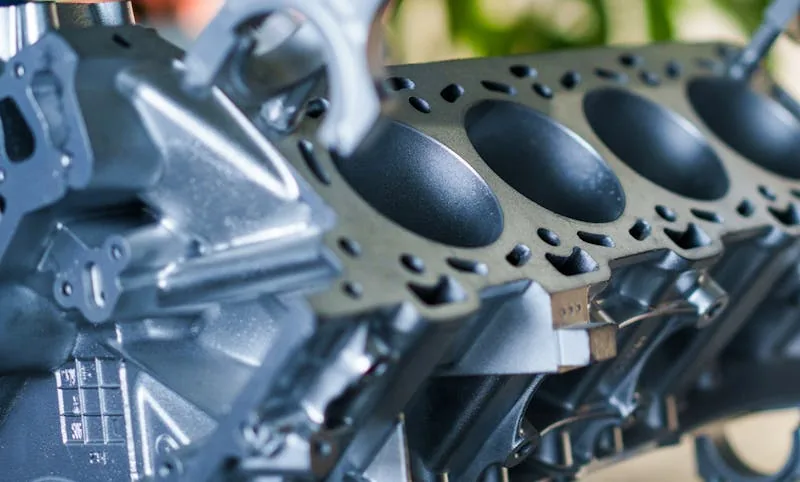
A 4 mm rigid endoscope inspects every combustion chamber and every intake and exhaust port. HD video records cylinder walls, piston crowns, valve faces and seats, with two passes per chamber. Anything unclear triggers a strip-down before the engine clears testing.

Probe
4 mm rigid, 185° viewing angle
Recording
1280 × 720 H.264, archived per engine
Sweep
2 passes per cylinder, 4 quadrants per pass
Coverage
chambers, valves, ports, piston crowns
Metal engine block detail
04

04 — Oil analysis

Oil analysis confirms the first three tests at particle scale. A partner lab runs each sample through ICP spectrometry for metallic particles, fuel dilution and water. If any threshold is exceeded, the engine returns to inspection before it can be released for sale.

Standards
ASTM D5185, ASTM D7620
Method
ICP-OES spectrometer
Turnaround
36 hours maximum
Auto-reject thresholds
iron > 180 ppm, copper > 50 ppm, fuel dilution > 5 %
Analogue car dashboard

Engines that fail the protocol are stripped for parts or recycled. None is resold "as new" without proof of testing.

Ready for your quote?

Plate or VIN, two steps, firm quote in under 2 business hours — delivery included, no commitment.

Get a quote →